
Swaddle Showdown: Finding the Right Fit for Your Baby (and Your Sleep)
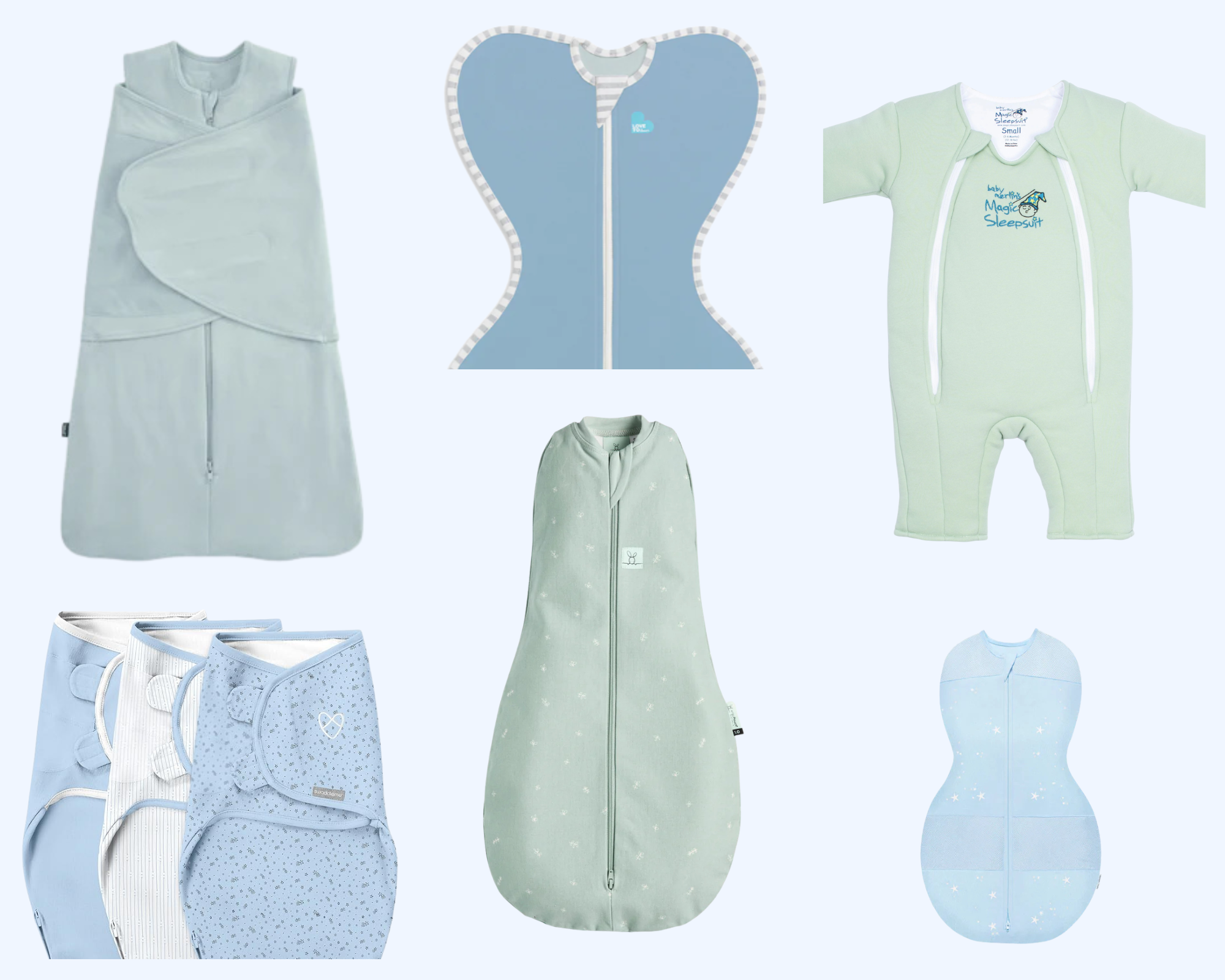
Swaddling can be a game changer in those early newborn weeks, but not all swaddles are created equal. Every baby is different, and what works beautifully for one may not work at all for another.
Some babies love the first swaddle you try. Others make you feel like you’ve tried everything. Both are completely normal.
In this guide, we’re comparing some of the most popular swaddles we see families using (and loving!) so you can find your baby’s just right fit.
Why Swaddling Matters
Swaddling helps mimic the snug, secure feeling of the womb, which can:
Reduce the startle (Moro) reflex
Promote longer stretches of sleep
Help babies feel calm and contained
That said, safe sleep always comes first. Swaddles should be used correctly and discontinued once baby shows signs of rolling.
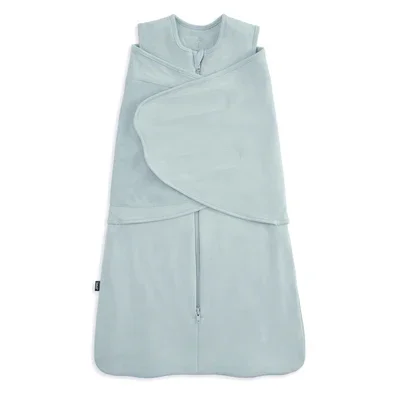
1. HALO SleepSack Swaddle
The HALO SleepSack Swaddle is often the very first swaddle parents use because many hospitals have replaced traditional blankets with them.
Why families love it:
Adjustable Velcro wings for a snug fit
Can swaddle arms in or out
2-way zipper makes diaper changes easier
Pros:
Very beginner-friendly
Great for learning how tight is “just right”
Easy transition to arms-out
Cons:
Velcro can be loud during night changes
Some babies break out as they get stronger
Best for: First-time parents and the newborn stage
Elise’s Take: This is one I recommend to almost every new family starting out. It is very user-friendly, especially in those first few days when everything feels new and overwhelming. I love that you can adjust how snug it is and transition to arms-out without needing to switch products. If you are unsure where to start, this is usually a safe and reliable first choice.
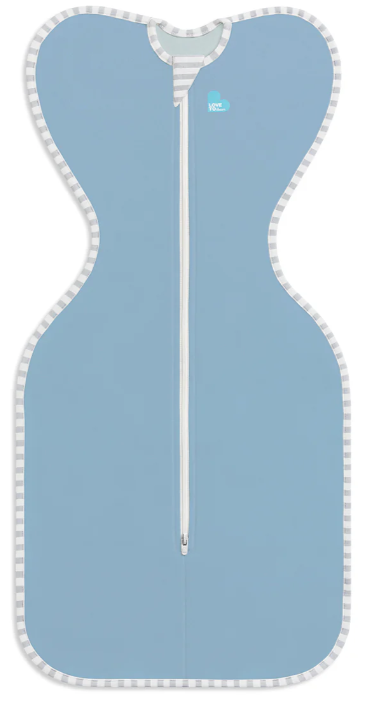
2. Love to Dream Swaddle UP
The Love to Dream Swaddle UP is known for its unique arms-up design.
Why it stands out:
Lets babies sleep with arms up, which is a natural position for many
Zippered wings allow gradual transition out of swaddling
Pros:
Easier transition than most swaddles
No Velcro, which keeps things quiet overnight
Great for babies who dislike arms-down swaddling
Cons:
Less snug than traditional swaddles
Not ideal for babies who need strong compression
Best for: Babies who fight traditional swaddles or prefer arms up
Elise’s Take: I often suggest this for babies who seem to fight traditional swaddles or constantly break their arms free. Some babies just prefer having their hands up near their face, and this design works with that instead of against it. I also love it for families who want a smoother transition out of swaddling later on.
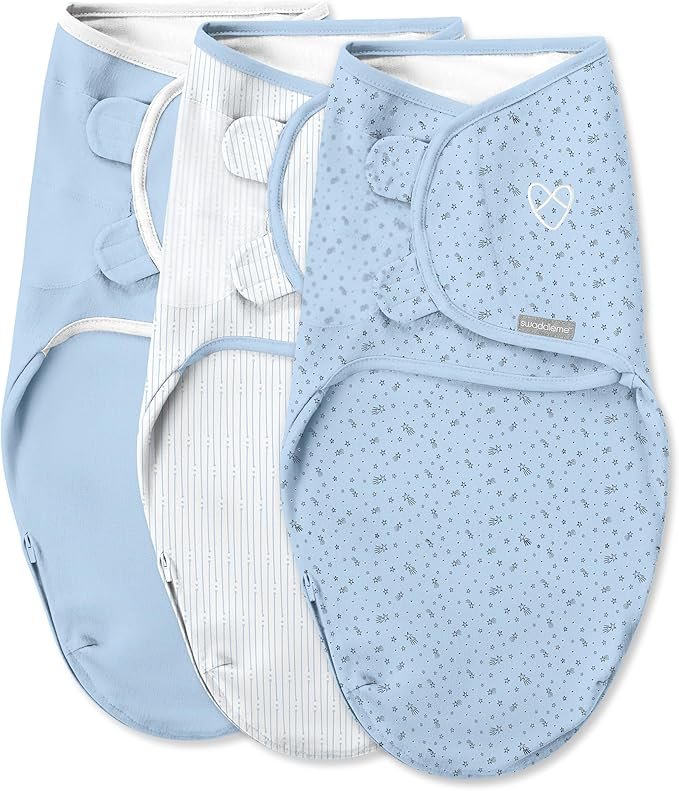
3. SwaddleMe Original Swaddle
The SwaddleMe Original Swaddle is a simple, widely available option.
Why families choose it:
Lightweight fabric
Budget-friendly
Easy to find in stores
Pros:
Great for warmer babies or climates
Straightforward design
Affordable to stock up on
Cons:
Velcro is loud and can wake sensitive sleepers
Can lose stickiness over time
Best for: Budget-conscious families or warmer environments
Elise’s Take: This is a great practical option, especially if you are looking for something simple and budget-friendly. I often see families use these as backups or to have extras on hand. It gets the job done, but for lighter sleepers, the Velcro noise can sometimes be a downside during nighttime changes.
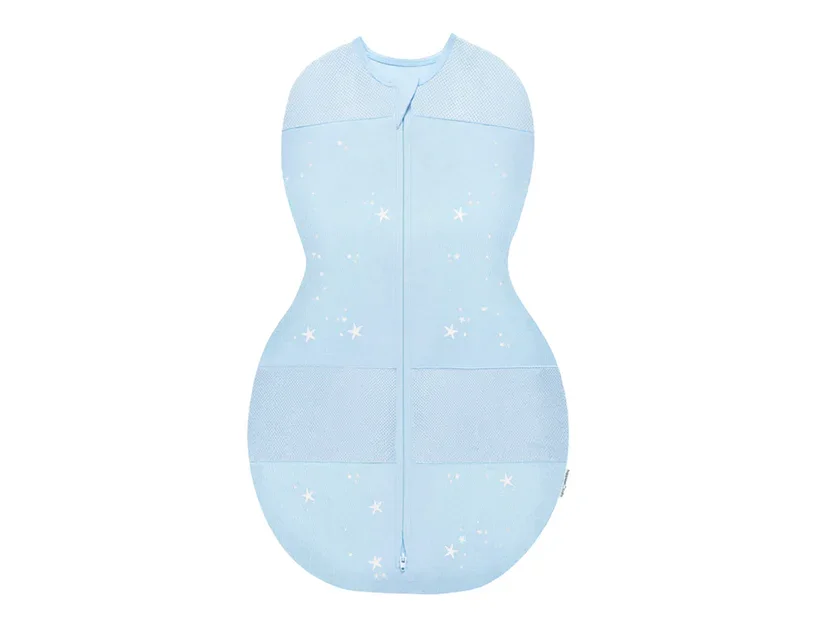
4. Happiest Baby Sleepea 5-Second Swaddle
Created by Harvey Karp, the Happiest Baby Sleepea 5-Second Baby Swaddle is designed for speed and security.
What makes it different:
Inner arm bands plus outer zipper
Designed to prevent escape artists
Pros:
Very secure, great for strong babies
Breathable mesh panels
Quick once you get the hang of it
Cons:
Slight learning curve at first
Higher price point
Best for: Babies who constantly break out of other swaddles
Elise’s Take: I tend to recommend this for babies who are strong, wiggly, and constantly escaping other swaddles. It is a bit more of an investment, but for the right baby, it can make a big difference in sleep. Once you get the hang of it, it is quick and very secure, which can be a huge relief for tired parents.
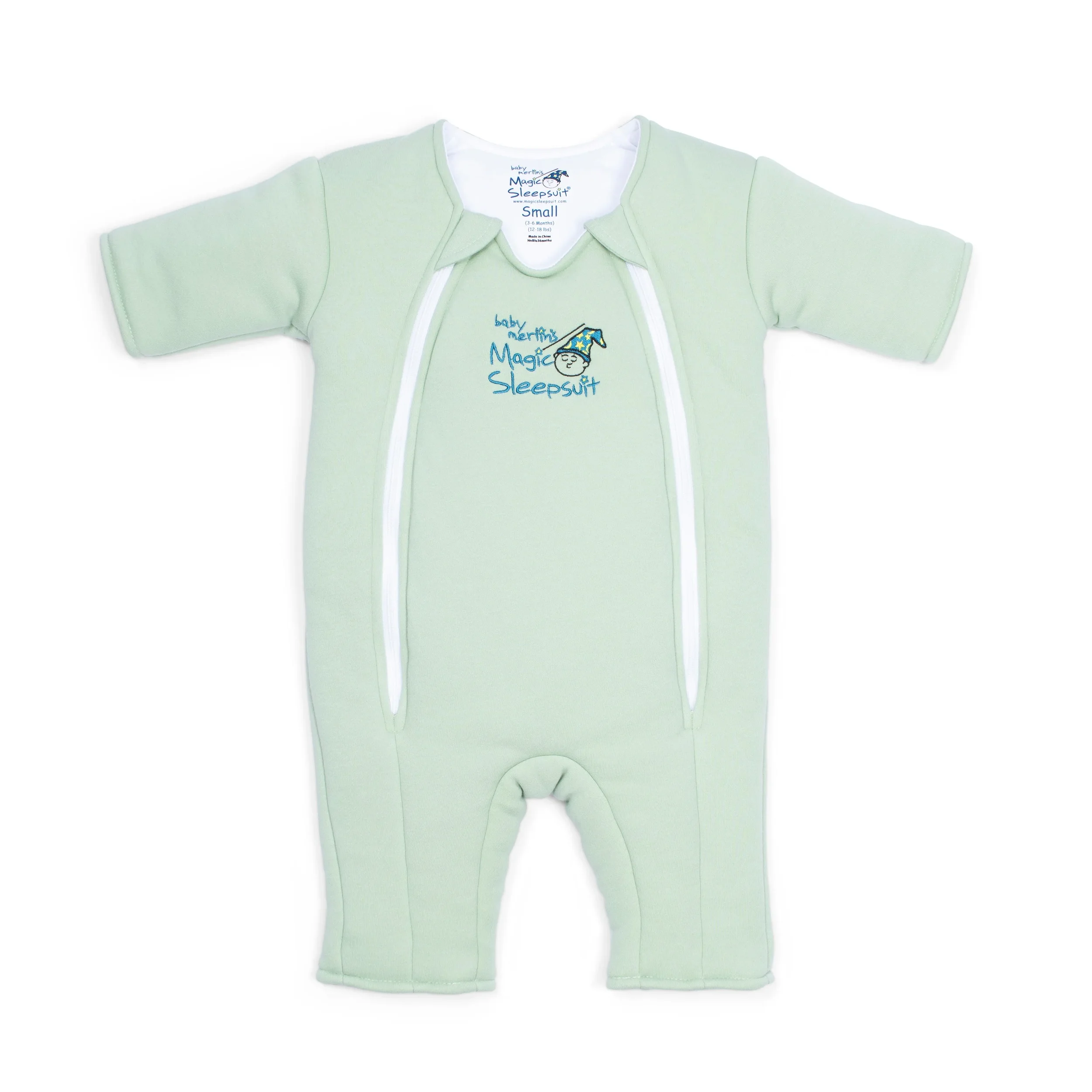
5. HALO Magic Sleepsuit
The HALO Magic Sleepsuit is not a traditional swaddle. It is more of a transition tool.
Important note: This is typically used after swaddling, not during the newborn phase.
Pros:
Helps babies feel contained without wrapping
Can improve sleep during the transition phase
Cons:
Harder transition out of it later
Not safe once baby is rolling independently
Best for: Babies struggling with the swaddle transition
Elise’s Take: This can be helpful during that tricky transition out of swaddling when babies are not quite ready to sleep freely yet. However, I tend to be a bit cautious with this one. While it can improve sleep in the short term, the transition out of it can sometimes be just as challenging, if not more so. I usually encourage families to think about their long-term sleep goals before introducing it and to use it intentionally rather than as a short-term solution.
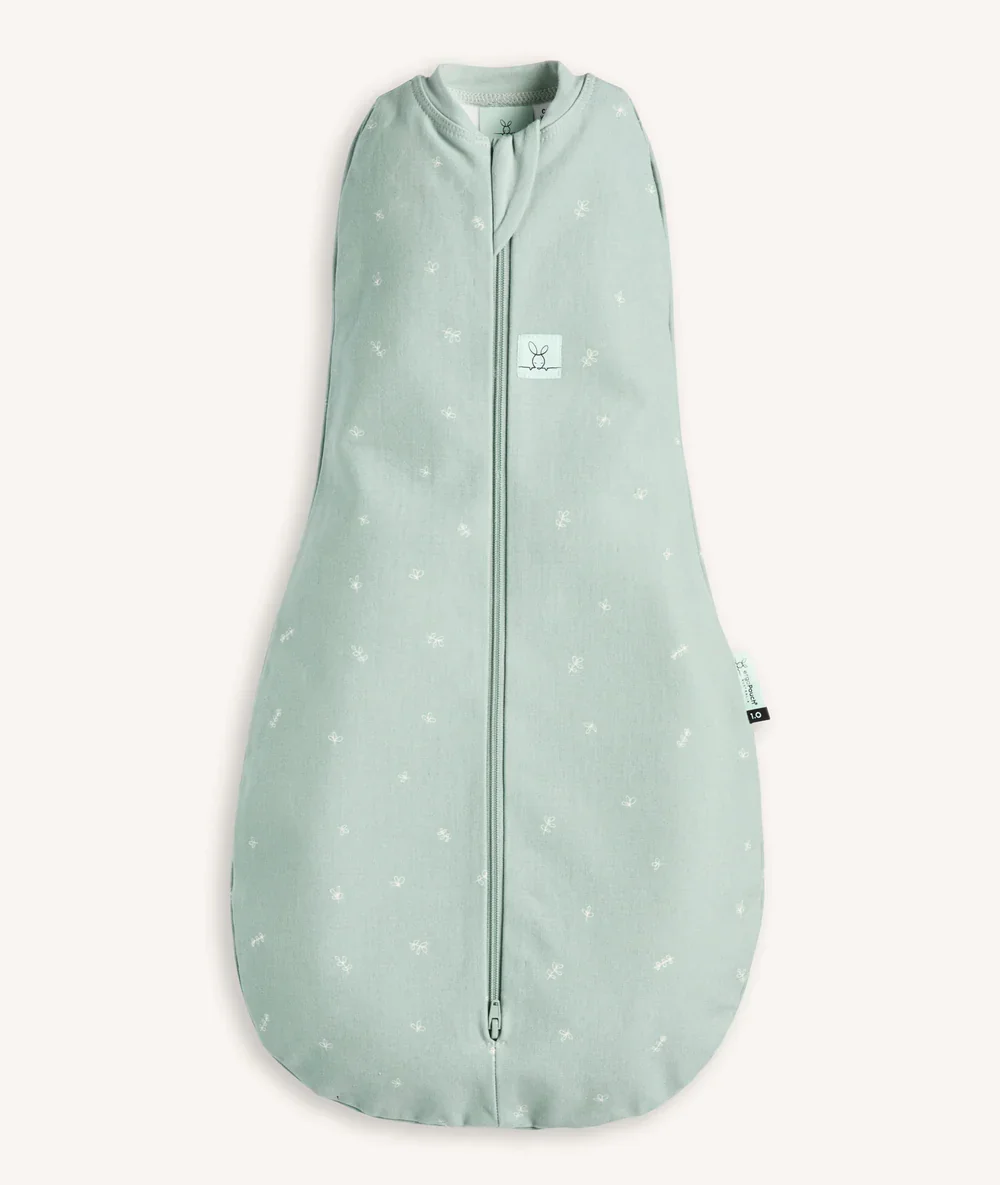
6. ergoPouch Cocoon Swaddle
The ergoPouch Cocoon Swaddle Sack is a favorite for parents who want simplicity.
Why it stands out:
No Velcro, only a zipper
Snug, stretchy fit
Pros:
Silent diaper changes
Breathable, temperature-rated fabric using a TOG system
Easy to use
Cons:
Less adjustable than Velcro options
May not be tight enough for some babies
Best for: Parents who want a simple, no-fuss option
Elise’s Take: I love this option for families who want something simple and quiet, especially for overnight changes. The zipper design makes it very easy to use, and the fabric is great for temperature regulation. I usually recommend this for babies who do not need a super tight swaddle but still enjoy that snug, secure feeling.
BONUS: Gas Relief Support
For babies struggling with gas, some families explore options like the Luvable Friends Baby Belly Binder.
Keep in mind:
These are not a replacement for proper burping or feeding techniques
Always check with your pediatrician before use
Elise’s Take: If a baby is especially gassy or uncomfortable, some families like to try additional support like this. I always encourage starting with feeding adjustments, burping, and positioning first. This can be a helpful add-on in some cases, but it is not something every baby will need.
When to Stop Swaddling
This is one of the most common questions we get from families.
You should stop swaddling:
At the first signs of rolling
Around 8 to 12 weeks for many babies
When baby consistently breaks out of the swaddle
Every baby is different, but safety always comes first when making this transition.
Common Swaddling Mistakes We See
Swaddling too loosely or too tightly
Continuing to swaddle after signs of rolling
Assuming one swaddle will work forever
Not adjusting based on your baby’s preferences
This is something we walk families through often, especially in those early weeks when sleep can feel unpredictable.
Finding Your Rhythm
There is no one “best” swaddle, only the best swaddle for your baby. What matters most is safe sleep, proper fit, and finding something that helps your baby and you get more rest.
If you are feeling unsure which direction to go, this is something we help families navigate every day. From sleep support to hands-on postpartum care, you do not have to figure it out alone.
And if you are in the thick of newborn sleep and feeling overwhelmed, you are not doing anything wrong. Sometimes it just takes a little trial and error to find your rhythm and your silver lining.